
Medical understanding and advanced treatment options for your clinic
Cellulite – or gynoid lipodystrophy – is a very common indication among female patients seeking aesthetic skin improvement. As a clinic or licensed practitioner, it is important to have a deeper understanding of the mechanisms behind cellulite as well as access to evidence-based and CE-marked treatment methods.
In this article, we review the pathophysiological causes of cellulite and present three advanced injection treatments that can be integrated into your clinic’s treatment program.
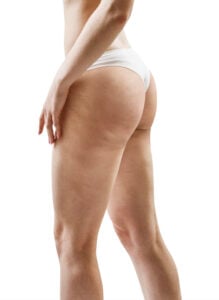
Cellulite From a Medical Perspective
Cellulite occurs when subcutaneous fat pushes up against the skin surface while vertically oriented collagenous connective tissue strands (septae) pull the skin downward. This traction creates the uneven topography of the skin, often described as “orange peel” skin.
In women, the septae are organized in parallel, making them more susceptible to fat protrusion, while men have crossed septae that provide better support. Hormonal factors – most notably estrogen – affect fat distribution, skin elasticity and microcirculation, further contributing to cellulite formation.
Injection-Based Treatment Options for Professional Use
For clinicians looking to offer effective, proven treatments for cellulite, several mesotherapy solutions are available with medical device classification (CE marked class III products). Below are three strong treatment options for your treatment menu:
1. RRS® HA Cellutrix
Biostimulatory mesotherapy for improved skin structure and lipolytic effect
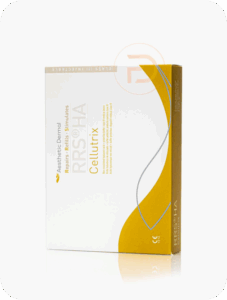
Indication: Cellulite and reduced skin elasticity in the thighs, buttocks or abdomen.
RRS® HA Cellutrix contains non-cross-linked hyaluronic acid combined with a biostimulating complex of lipolytic substances (e.g. caffeine), antioxidants, vitamins, flavonoids, amino acids and trace elements. This composition acts lipolytically, stimulates microcirculation and improves ECM function. Protocol: 4-8 treatment sessions at 1-2 week intervals. Applied by microinjections in the affected area.
2. Alidya
First injectable agent developed specifically for the treatment of gynoid lipodystrophy
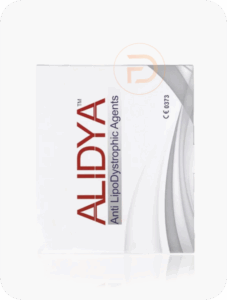
Indication: Prevention and treatment of cellulite. Also suitable for maintenance treatment.
Alidya improves microcirculation, stimulates lymphatic drainage and detoxifies the extracellular matrix. It reduces inflammatory processes and reduces fibrosis of the tissue, visibly improving the texture and smoothness of the skin. Protocol: 7-12 weekly sessions. Maintenance once a year is recommended.
3. Sunekos® Cell 15
Regenerative treatment addressing cellulite at all stages (I-IV)
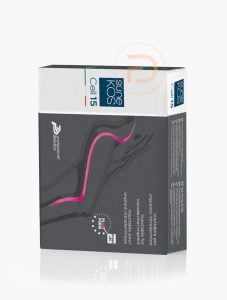
Indication: All stages of gynoid lipodystrophy – both early and advanced.
The treatment combines low molecular weight hyaluronic acid with six essential amino acids as well as carbonate and bicarbonate salts. The focus is on restoring the ECM, improving microcirculation, and reducing fibrosis and inflammation. The regenerative effect makes this a holistic approach to cellulite treatment.
Clinical Summary for Practitioners
Cellulite treatment requires an understanding of tissue physiology, hormonal factors and circulatory processes. With the right injection treatments, you as a clinic can offer an effective and differentiated range of treatments for patients with varying severity of cellulite.
All of the above products are CE marked Class III medical devices and should only be administered by licensed medical personnel.
Do you want to read more about the products or order for your clinic? Click through to each product for more information, treatment protocols and purchasing options.